Ontario Lock Keepers Co Service Team
Local locksmith team
Sep 19, 2026 14 min read
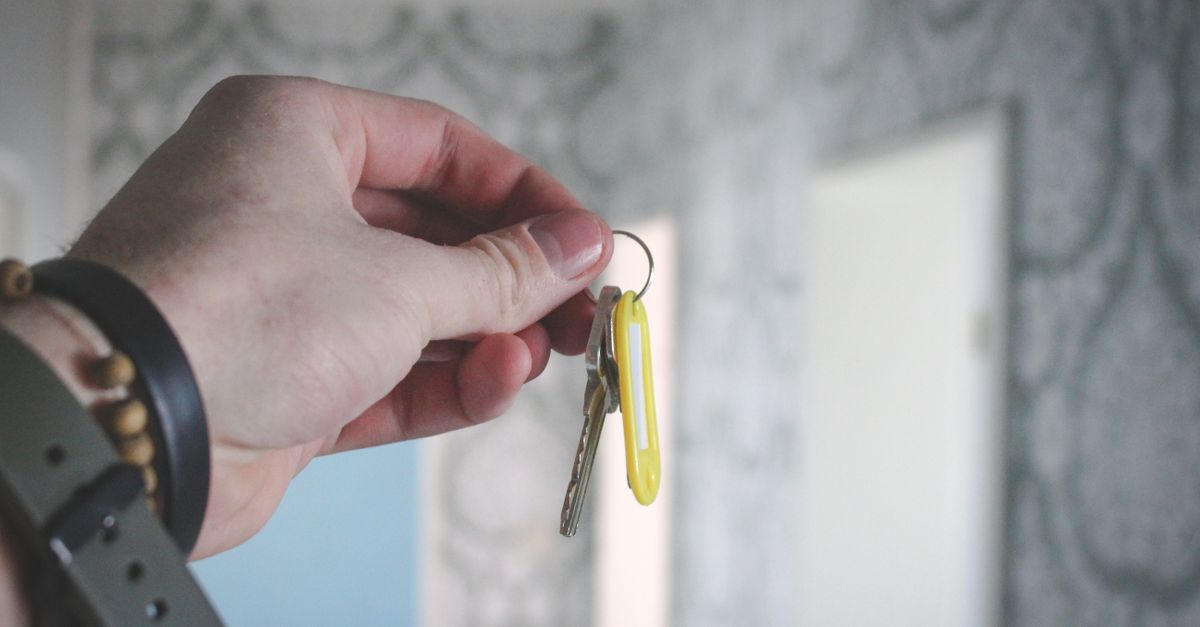
You just handed over your moving boxes, kicked off your shoes, and realized something unsettling: you have no idea how many copies of your key exist. The previous owner may have given one to a neighbour, a dog walker, a contractor, or a family member who never returned it. In Toronto's condo market especially — where buildings on King West, Liberty Village, and the St. Lawrence neighbourhood turn over constantly — this is not a paranoid thought. It is a practical one. Rekeying your locks is one of the smartest first moves you can make after taking possession.
The good news is that rekeying is almost always faster, less disruptive, and more straightforward than swapping out entire lock hardware. But there are real rules in Toronto that complicate things — condo-board bylaws, the Ontario Fire Code, and building superintendent requirements all have a say in what you can and cannot do to your front door. This guide walks you through when rekeying makes sense, what Toronto-specific rules to know, how mortise lock rekeying works, and when to call an emergency locksmith for house or condo security concerns that cannot wait.
## Why Rekeying Beats Replacing Locks After a Move — Most of the Time
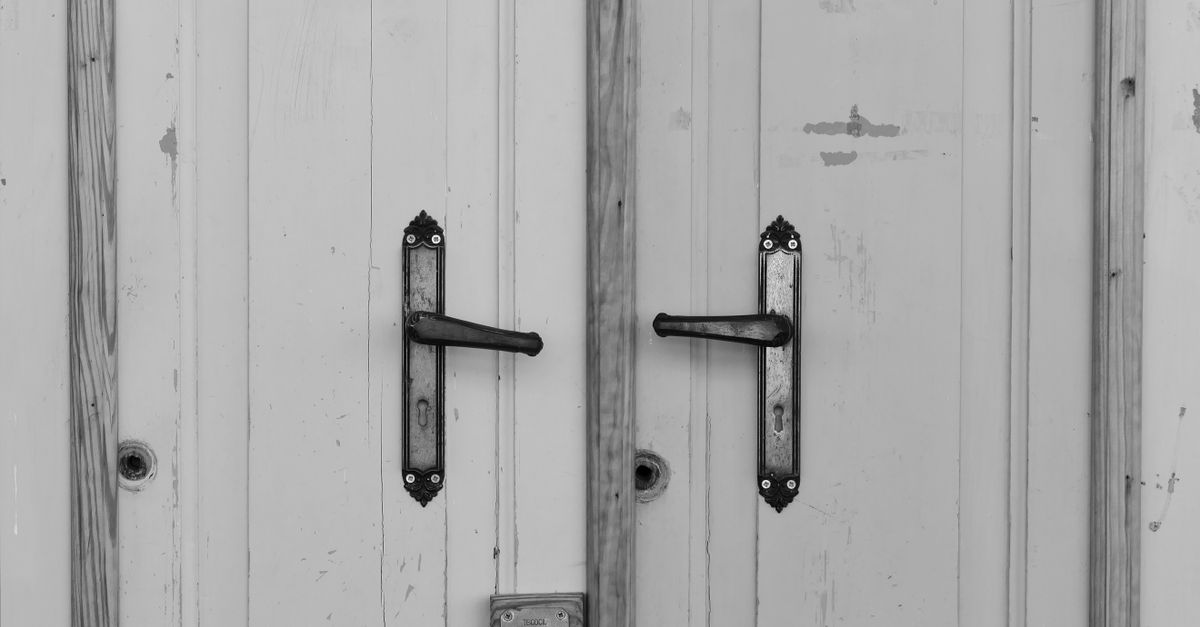
Rekeying means a skilled locksmith disassembles your existing lock cylinder and replaces the internal pins and springs so that your old key no longer works. A freshly cut key — one only you hold — is then made to match the new pin configuration. The lock hardware itself stays exactly where it is on the door. This matters because high-quality door hardware, especially a mortise lock, is built to last decades. A mortise lock is the rectangular, pocketed mechanism set deep into the edge of the door — common in Toronto's older semi-detached homes, Victorian row houses in Cabbagetown, and many pre-2000 condo towers. Replacing a mortise lock entirely involves chiselling the door edge, fitting a new lock body, and often repainting or patching the door frame. Rekeying accomplishes the same security goal — invalidating every previously existing key — in a fraction of the time.
Replacing locks outright does make sense in specific situations: the existing hardware is visibly damaged or worn, the lock is a low-grade builder-grade model that offers poor pick and drill resistance, or you are upgrading to a higher-security cylinder. In every other scenario where the hardware is sound, rekeying delivers full security at a lower disruption level. A professional locksmith can also rekey a lock to match existing keys already in your possession — for example, if you want your front door, back door, and storage unit all opened by a single key. That kind of keyed-alike service is a practical convenience that full lock replacement cannot offer without buying matched sets of new hardware.
## Toronto Condo Rules: What Your Board and the Ontario Fire Code Actually Say
If you are moving into a condo in Toronto — whether it is a high-rise near Bay and Bloor or a low-rise stacked townhouse in Leslieville — you do not have the same freedom to modify your front door as a freehold homeowner does. The front door of a condo unit is almost universally classified as common element under Ontario's Condominium Act, meaning the condo corporation owns and maintains it. In practical terms, this means you typically cannot remove, replace, or materially alter the lock hardware without written board approval. Rekeying, however, is a different matter in most buildings — it changes only the cylinder's internal pins, leaves the physical hardware untouched, and is frequently permitted under standard condo rules. Always request a copy of your building's declaration and rules before any lock work, and get board approval in writing if there is any ambiguity.
The Ontario Fire Code adds another layer. Under O. Reg. 213/07 and related fire safety guidelines, any lock on a suite entry door in a residential building must allow egress without a key from the inside. This rules out double-cylinder deadbolts (the kind that require a key on both sides) for most condo suite doors. It also means that if a building has a master-key or emergency-access system — a common requirement in Toronto multi-unit buildings — your rekeyed cylinder must still accommodate the building's master key or fire department override key. A qualified locksmith familiar with Toronto building standards will factor this in when rekeying your lock, ensuring your new cylinder is compatible with the building's access hierarchy. Getting this wrong can result in a fine or a mandatory reversal ordered by the building manager.
## How a Locksmith Rekeys a Door Lock — and Which Locks Can Be Rekeyed
Understanding the basic process helps you ask the right questions and set realistic expectations. When a locksmith arrives to rekey a door lock, the first step is removing the cylinder from the lockset — on a standard deadbolt or door knob lock, this usually involves unscrewing the interior rose plate and using a cylinder-release tool. On a mortise lock, the cylinder is threaded into the lock body and secured with a set screw, so the door edge plate must often be removed first. Once the cylinder is out, the locksmith uses a decoder to identify the current key cuts, removes the existing driver pins and key pins from each chamber using a follower tool, and replaces them with a new pin combination that matches your freshly cut key. The cylinder is then reinstalled, tested, and the new key is verified to operate smoothly in both directions.
Can you rekey any lock? The honest answer is: almost any pin-tumbler cylinder can be rekeyed, which covers the vast majority of residential deadbolts, door knob locks, and mortise lock cylinders found in Toronto homes and condos. Wafer locks (common on older interior doors and some mailboxes) and disc-detainer locks are exceptions — they are rekeyed differently or may need replacement cylinders. High-security cylinders from manufacturers like Schlage or those using patented keyways can also be rekeyed, but only to the same keyway family. As for whether you can rekey a smart lock — many smart locks that use a physical key backup do have rekeyable cylinders, and some, like certain Schlage Connect models, include a built-in rekey feature. However, if you need to rekey a smart lock without the original key, the process is more involved and typically requires the locksmith to decode the existing cylinder pins before resetting them. Bring this scenario to a professional rather than attempting it alone, since forcing the process can damage electronic components.
## Condo Move-In Checklist: Steps Toronto Residents Should Take on Day One
Beyond rekeying, there is a short but important checklist worth running through the day you take possession of a Toronto property. First, count every key handed over at the real estate closing and ask the seller's agent to confirm in writing that all copies have been returned — this is especially important for buildings where the previous owner may have given access to a property manager or cleaner. Second, check whether your building uses a fob or card-based access system for common areas; these credentials are usually deactivated by the property management office when ownership changes, but confirm it has been done rather than assuming. Third, inspect the physical condition of your front door lock. A door knob lock that wobbles, a deadbolt that drags, or a mortise lock whose faceplate is loose can signal internal wear that makes rekeying difficult or that makes outright replacement the better call. A mortise lock in poor condition is particularly worth assessing, since its complex internal mechanism — latch, deadbolt, and sometimes a night latch, all within one body — deteriorates in ways that a cylinder swap alone will not fix.
If you are moving into a freehold house in areas like Scarborough, Etobicoke, or North York, you have more latitude. You can replace the entire lock set, add a second deadbolt, or upgrade to a high-security mortise lock without seeking anyone's approval beyond your own preference. That said, fire-egress rules still apply: any door that serves as a primary exit must be openable from the inside without a key. If you have questions about whether your current setup meets local standards, our team can assess the door on-site and walk you through the options. You can reach us at (647) 424-4461 any time — we are available around the clock for exactly these early-possession questions before a situation becomes urgent.
## When Rekeying Becomes an Emergency — and What to Do
Not every lock security concern comes up on a convenient weekday morning. Keys go missing. A relationship ends and someone who had access to your home no longer should. A landlord in a multi-unit property has a dispute with a tenant that escalates. In these situations, calling an emergency locksmith for house or condo access is the right move — waiting until business hours is not a neutral choice when someone else holds a working key to your space. Ontario Lock Keepers Co operates 24/7 across the Toronto area specifically because security gaps do not follow a 9-to-5 schedule. Whether you are at a Distillery District loft at 2 a.m. or a North York bungalow on a Sunday morning, we can rekey your locks, assess your door hardware, and restore your peace of mind the same day.
The cost of a rekeying job depends on several factors: the type and brand of lock (a standard deadbolt cylinder rekey differs from a commercial-grade mortise lock cylinder), the number of locks being rekeyed, the time of day, and travel distance to your location. Before any work begins, we confirm an exact price with you — no surprises after the job is done. If you are dealing with a more complex situation, such as needing to rekey a smart lock without the original key, or a building that requires a master-key-compatible cylinder, those factors affect the quote and will be explained clearly up front. For commercial properties — retail units, office suites, or multi-tenant buildings — our commercial locksmith services extend to high-security cylinders, master key systems, and access control integration, all assessed on-site before any commitment is made.
## 25 Lock and Security Services Ontario Lock Keepers Co Provides
Whether you are rekeying after a move or dealing with a more complex security upgrade, our team covers a wide range of needs across the Toronto area. Here is a specific look at what we handle: residential deadbolt rekeying, mortise lock rekeying and repair, door knob lock replacement and rekeying, master key system design and installation, high-security cylinder upgrades (Schlage, Kwikset, and compatible brands), smart lock installation and programming, rekeying a smart lock without the original key, key duplication and restricted-keyway key cutting, emergency lockout response for houses and condos, condo suite lock assessment for Fire Code compliance, lock replacement after break-in or forced entry, door frame and strike plate reinforcement, mailbox lock rekeying and replacement, storage locker lock service, garage door lock and side-entry lock service, padlock rekeying and replacement, commercial mortise lock installation and servicing, commercial locksmith master key systems for offices and retail, access control panel and electronic lock installation, car lockout service across the Toronto area, automotive key replacement and programming, broken key extraction from door locks, lock re-pinning for keyed-alike sets, window lock installation and repair, and safe lock service and combination changes. Each job is assessed individually — our team confirms what is needed before work begins so you always know exactly what the service involves.
## Rekeying vs. Replacing: A Quick Decision Guide for Toronto Residents
If your lock hardware is in good working condition, has no visible damage, and is a pin-tumbler style — which includes nearly every deadbolt, door knob lock, and mortise lock found in Toronto residential buildings — rekeying is almost always the right starting point. It resolves the unknown-key problem completely, is less invasive (important in condo buildings where door modification approval may be needed), and leaves your existing hardware intact. If the lock is visibly damaged, is a builder-grade model with poor resistance ratings, or you want to upgrade to a mortise lock with a higher security classification, replacement makes more sense. For smart locks, the answer depends on the model — some can you rekey a smart lock scenarios are straightforward, others require component replacement. A quick call or on-site assessment clarifies this in minutes.
The most important thing is not to delay the decision. Every day you spend in a new home with unverified key copies in circulation is a day of unnecessary risk. Toronto's housing market moves quickly — properties in neighbourhoods like Leslieville, the Annex, and Thorncliffe Park often go through two or three owners in a decade, meaning the key history of any given lock can be longer than you think. Taking action on move-in day is the simplest way to start fresh. Ontario Lock Keepers Co is available 24/7 to help you do exactly that — call us at (647) 424-4461 and a trained, experienced locksmith will be on the way to your Toronto location, ready to rekey, assess, or upgrade your locks the same day.
Frequently asked questions
Can you rekey a lock to match an existing key I already use for another door?+
Yes, this is called a keyed-alike service and it is one of the most practical reasons people rekey after a move. A skilled locksmith re-pins your lock cylinders so that the same key operates multiple doors — your front door, back door, and even a storage locker if the cylinders are compatible. The process works as long as each lock uses the same keyway family. If the locks use different keyways, the locksmith may recommend replacing one or more cylinders with matching-keyway versions before rekeying them alike. Our team at Ontario Lock Keepers Co handles keyed-alike jobs across Toronto — call (647) 424-4461 to arrange an assessment.
Can you rekey a smart lock without the original key?+
In many cases, yes — but it depends on the lock model. Smart locks with a physical key cylinder backup (common in Schlage and Kwikset smart lock lines) can often be rekeyed even without the original key, because a trained locksmith can decode the existing pin configuration before resetting it. Some smart lock models also have a proprietary rekey feature that requires a reset tool rather than a key. What you should avoid is forcing the cylinder or attempting a DIY disassembly, since smart lock cylinders are often integrated with electronics that can be damaged in the process. If you are unsure what model you have, our locksmiths can identify it on-site and advise on the correct approach before any work begins.
Do I need condo board approval before rekeying my suite lock in Toronto?+
It depends on your building's declaration and rules, which vary. Rekeying — because it leaves the physical hardware unchanged — is permitted without board approval in many Toronto condo buildings. However, some declarations classify the entire door, including the cylinder, as a common element and require written notice or approval for any lock service. The safe approach is to request your building's rules from the property management office before booking any lock work. Also confirm whether your building uses a master-key or fire-access override system, because any rekeyed cylinder must remain compatible with that system under the Ontario Fire Code. Our team is familiar with Toronto condo building requirements and can help you navigate this before the job starts.
When should I call an emergency locksmith for a house lock issue rather than waiting?+
Any situation where the security of your home has been or may have been compromised warrants same-day attention rather than waiting. This includes moving into a property where you cannot confirm all key copies have been returned, a key going missing in a public place, a relationship breakdown where someone formerly had access to your home, or a break-in attempt — even if the lock appears undamaged from the outside. Forced entry can weaken internal lock components in ways that are not visible without disassembly. Ontario Lock Keepers Co responds to these situations across Toronto 24 hours a day, seven days a week. Call (647) 424-4461 and a qualified locksmith will confirm an exact price before any work begins — no commitment required until you approve the quote.