How Vehicle Brand Affects the Car Key Replacement Process
Not every replacement key is created the same way, and the brand of your vehicle is one of the biggest variables in how the job gets done. Domestic brands like Ford, GM (Chevrolet, GMC, Buick, Cadillac), and Chrysler (Dodge, Jeep, Ram) have used a range of transponder systems over the years — from older fixed-code chips that are relatively straightforward to clone, to newer rolling-code systems that require direct on-board diagnostic communication to program correctly. Import brands add additional layers of complexity. Toyota and Lexus vehicles from the mid-2000s onward often use a two-stage programming process: the key must first be cut to the correct mechanical profile, then the onboard computer must recognize and accept the new chip before it will allow the engine to start. Honda and Acura models have similarly evolved, with many recent vehicles requiring dealer-level software access — exactly the kind of equipment our technicians carry in the field.
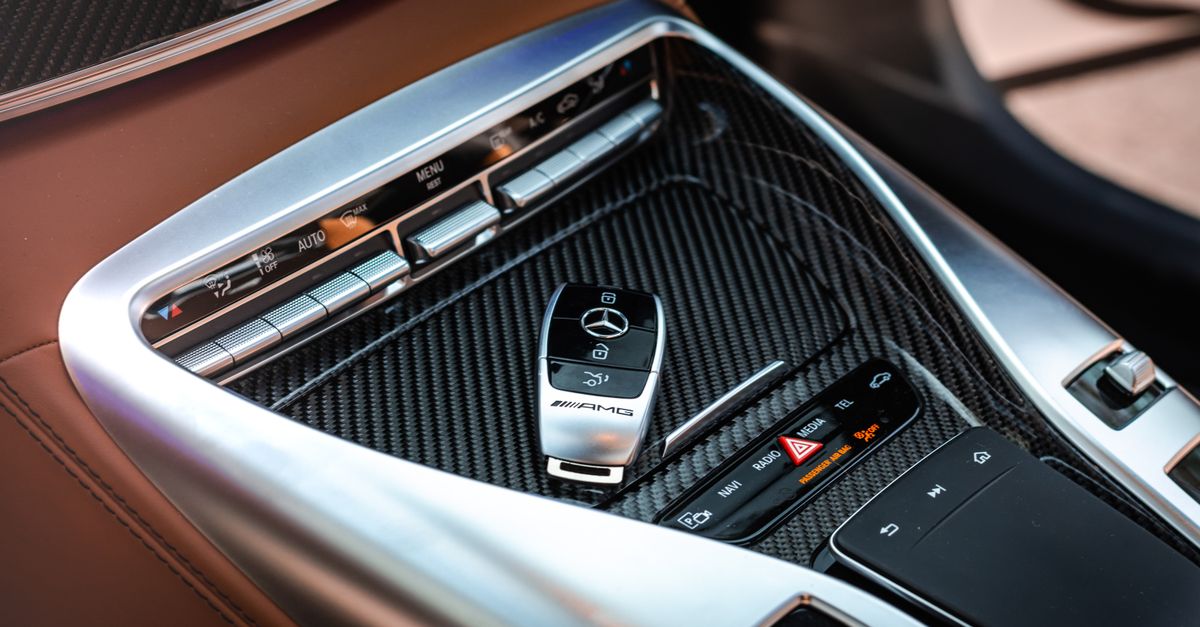
European brands introduce a different set of considerations entirely. BMW, Mercedes-Benz, Audi, and Volkswagen vehicles frequently use encrypted key data that is tied directly to the vehicle's ECU. Programming a replacement for these models is a multi-step process involving reading the vehicle's immobilizer data, generating the correct key profile, and writing new data to both the key and sometimes the car's control modules. Hyundai, Kia, Nissan, Subaru, and Mazda each follow their own protocols, and newer push-to-start smart key systems across all brands require proximity fob pairing on top of standard transponder programming. When you call us, our team identifies your exact vehicle make, model, and year before dispatch so the right tools and blank key stock arrive with the technician — minimizing wait time for you.