What Is a Mortise Lock and Why Toronto Buildings Still Rely on Them
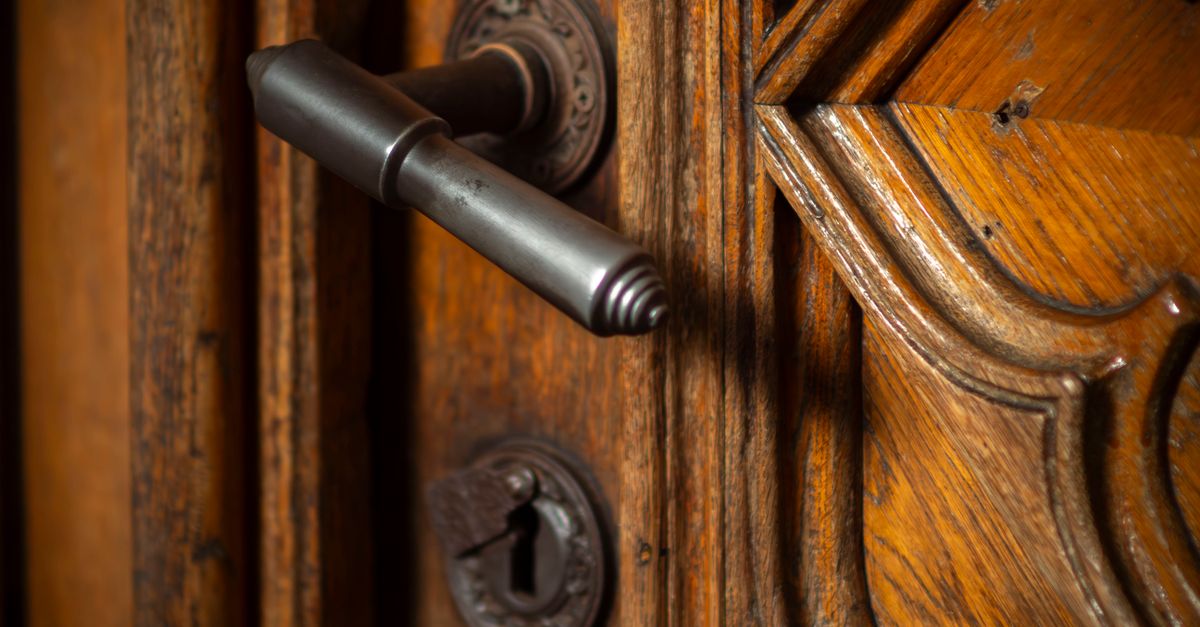
A mortise lock is a lock mechanism that is installed by mortising — cutting a precise rectangular cavity — into the body of a door, rather than drilling a simple cylindrical hole from face to face. The lock case sits flush inside the door edge, and the visible hardware (the trim plate, handles, and thumb-turn or key cylinder) is mounted on the face of the door. This configuration allowed manufacturers to pack a great deal of functionality into a single unit: a spring latch for everyday closing, a keyed or thumb-turn deadbolt, and in many older designs an integrated chain-latch or night-latch function. Because the mechanism is housed inside thick door stiles rather than sitting in a shallow bore, well-made mortise locks are significantly more resistant to forced entry than most modern locksets.
Toronto's residential architecture tells you exactly why these locks are still everywhere. Buildings erected between roughly 1890 and the 1960s — including the dense apartment stock along St. Clair West, the semi-detached homes of the Annex, and commercial buildings in Kensington Market — were all spec'd with mortise hardware as the default. Many still carry their original lock cases, which have outlasted multiple sets of cylinders, door refinishes, and ownership changes. Some landlords have updated the cylinders over the years; others have left everything untouched. Either way, when a spring breaks inside the case or the cylinder stops turning cleanly, the repair requires a technician who understands the full mechanism — not just someone with a box of modern deadbolts.