Ontario Lock Keepers Co Service Team
Local locksmith team
Oct 17, 2026 11 min read
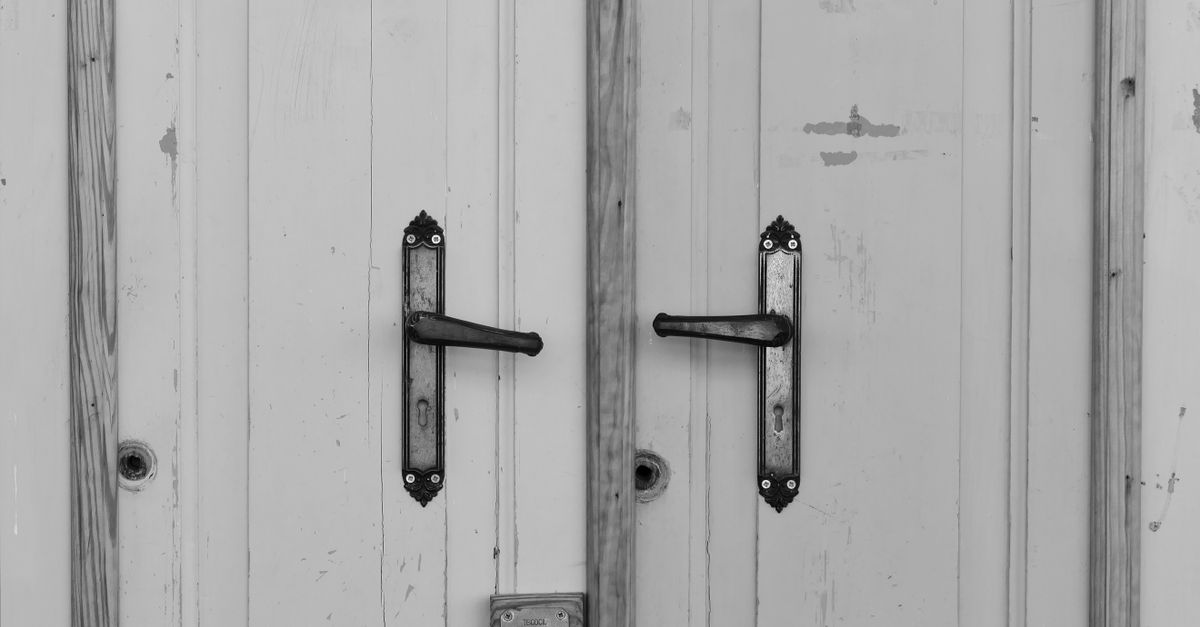
If your Toronto home was built before 1960 — think a red-brick semi in Leslieville, a detached Victorian on Palmerston Boulevard, or a wartime duplex in the Annex — there is a good chance your front door is still guarded by a mortise lock, not the cylindrical knob-and-deadbolt combo you see on newer builds. That boxy, cast-iron mechanism tucked inside the door edge has been doing its job for a century, and in many cases it is still doing it well. But age, settling foundations, and decades of Canadian freeze-thaw cycles eventually catch up with even the toughest hardware.
Understanding what kind of lock is on your door is the first step toward knowing whether it needs a tune-up, a new cylinder, or a full replacement. This guide walks Toronto homeowners through how to identify a mortise lock set, what wear looks like, what repair and upgrade options actually exist, and when it makes sense to call a professional locksmith rather than reaching for the WD-40.
## What Is a Mortise Lock — and How to Spot One on Your Door
A mortise lock is a lock mechanism that sits inside a rectangular pocket — the mortise — cut directly into the body of the door. Instead of being surface-mounted, the entire lock case (containing the latch bolt, dead bolt, springs, and levers) is embedded flush within the door's thickness. From the outside you typically see a decorative escutcheon plate, a key cylinder, and sometimes a separate thumb-turn or knob trim. On the interior side, there is usually a lever or knob connected to the same embedded case. The strike plate on the door frame has a deeper, more substantial pocket than what you see on a modern bored cylindrical lock.
To check your own door: look at the edge of the door (the narrow strip facing the frame). If you see a tall, narrow metal faceplate — often two to four inches long — with two bolt openings (one for the spring latch and one for the dead bolt), you almost certainly have a mortise lock. Cylindrical locks, by contrast, show a single round latch on the door edge and rely on a separately installed deadbolt above or below the knob. Rim cylinder locks are a related variant you sometimes find on older Toronto doors: the cylinder is surface-mounted on the inside face of the door and connects to a rim latch or night latch rather than an internal lock case. If your back door has a boxy metal box screwed onto the inner surface with a bar that drops into a strike, that is a rim lock arrangement.
## Century-Home Mortise Lock Problems Toronto Homeowners Actually See
The most common complaint we hear from homeowners in older Toronto neighbourhoods is that the key turns but the dead bolt does not throw fully — or it throws but the door still does not feel secure. This usually traces back to one of three culprits: a worn mortise lock cylinder that has lost its cam engagement, a broken or fatigued spring inside the lock case, or a misaligned strike plate caused by the door frame shifting over time (extremely common in homes on the clay-heavy soil found across much of the east end and the older neighbourhoods around Bloor and Dufferin). A second frequent scenario is a snapped key inside the mortise lock cylinder — the older brass cylinders on these locks can wear unevenly, and a slightly bent key under winter-gloved hands is all it takes.
Hardware brands matter here. Homes built between the 1900s and 1950s often carry Corbin Russwin mortise lock hardware, a brand that was ubiquitous on institutional and residential doors across Ontario during that era. Baldwin mortise lock sets show up frequently on higher-end homes from the mid-century period — they are known for their brass construction and are still manufactured today, which makes parts sourcing more realistic. Knowing the brand stamped on your escutcheon or cylinder face helps a locksmith source the correct replacement cylinder or internal components rather than defaulting to a full lock replacement. If you are unsure, a quick photo of the faceplate sent to our team before a visit can save time on the call.
## Mortise Lock Repair vs. Replacement: Choosing the Right Fix
Not every aging mortise lock needs to come out. If the lock case itself is mechanically sound — springs intact, bolt throws freely when you operate the interior lever — the most targeted fix is a mortise lock cylinder replacement. The cylinder is the plug you insert the key into; it is a discrete component that can almost always be swapped without disturbing the rest of the lock case. Rekeying is an even less invasive option: a locksmith re-pins the existing cylinder to work with a new key, which is the right move after a tenant change, a lost key, or a real-estate closing on an older property. If you are in that situation right now and need the lock addressed today, call us at (647) 424-4461 — our mobile team carries rekeying tools and a wide range of replacement cylinders for mortise lock sets, and we are available around the clock.
When the lock case itself has failed — broken cam, cracked housing, seized bolt — replacement becomes the practical path. Here you have two directions. The first is sourcing a period-appropriate mortise lock set and keeping the existing door preparation (the mortise pocket), which preserves the door's integrity and is usually the right call for heritage or solid-wood doors. The second is converting to a modern cylindrical deadbolt, which requires cutting new holes in the door and filling the old mortise pocket. Conversion makes sense on a door slated for replacement anyway, but on a 100-year-old fir door in good shape, it is generally worth preserving the original hardware format. For exterior doors specifically, a properly fitted mortise lock set exterior door installation provides a level of bolt engagement and anti-pry resistance that many surface-mounted setups simply cannot match.
## Upgrade Options: Improving Security Without Losing the Period Look
One of the most practical upgrades for an older Toronto home is replacing a worn brass cylinder with a modern high-security cylinder that fits the existing mortise lock body. Options with anti-pick, anti-drill, and anti-bump pins are available in the same footprint as the legacy cylinders found on Corbin Russwin and Baldwin hardware — you get a century of door character with contemporary pin technology behind it. A qualified locksmith can measure the existing cylinder and match the correct cam length and threading so the new cylinder operates the internal bolt mechanism cleanly.
Beyond the cylinder, consider the strike plate. The original strike plates on many century-home door frames are thin and secured with short screws that bite into only the door-stop moulding, not the structural frame behind it. Upgrading to a reinforced strike box with three-inch screws that reach the actual stud behind the frame is an inexpensive, high-impact improvement that dramatically increases kick-in resistance — without touching the lock itself. If your home also has a door knob lock on an interior vestibule or a secondary entrance, the same logic applies: a modern knob lock cylinder or a quality deadbolt above it can be fitted without altering the door's profile. Our team handles everything from a simple rekey to a full mortise lock set installation on exterior doors, along with deadbolt upgrades, strike plate reinforcement, and door alignment corrections across the Toronto area.
## When You Need an Emergency Locksmith for a Mortise Lock Situation
A lockout on a door with a mortise lock has its own wrinkles. Because the latch and dead bolt are part of the same internal case, a failed spring can leave both bolts engaged simultaneously — meaning neither the key nor the inside lever releases you. If you find yourself locked out of a Toronto home with a mortise lock and no spare key with a neighbour, your first practical step is to check all secondary entry points: a rear door, a garage entrance, or a window accessible from ground level that you had left unlatched. If those options are exhausted, the right call is an experienced emergency locksmith who works on mortise hardware specifically, not just standard cylindrical locks.
As a 24/7 mobile locksmith serving Toronto and the surrounding area, Ontario Lock Keepers Co responds to mortise lock emergencies the same way we do to standard lockouts — we come to you, verify ownership, and get you in without unnecessary damage to the door or frame. The final price for any service call depends on the lock type, the parts needed, the time of day, and travel distance — we confirm an exact figure before any work begins, so there are no surprises. Whether it is 2 a.m. on a January night in Roncesvalles or a Sunday afternoon in the Beaches, call (647) 424-4461 and our team will be on the way.
## Ontario Lock Keepers Co — Toronto Locksmith Services
Our mobile team covers residential, commercial, and automotive locksmith needs across Toronto and the greater area. Here is a full picture of what we do: mortise lock repair and replacement, mortise lock cylinder rekeying, high-security cylinder upgrades for existing mortise hardware, deadbolt installation on exterior and interior doors, door knob lock installation and repair, rim lock and rim cylinder lock service, strike plate reinforcement, door frame repair after forced entry, key extraction (broken key in cylinder), master key system setup for multi-unit properties, residential lockout response, commercial locksmith services for office and retail premises, commercial-grade mortise lock set installation for storefronts, access control integration, mailbox lock replacement, padlock and hasp installation, garage door lock service, sliding door lock repair, window lock installation, safe opening and safe lock change, automotive lockout service, car key replacement, transponder key programming, ignition lock cylinder repair, and high-security key duplication for restricted keyways. Every service call is handled by a trained, experienced locksmith — not a call-centre dispatcher routing your job to an unknown subcontractor.
Frequently asked questions
How do I know if I have a mortise lock or a regular deadbolt?+
Look at the edge of your door — the narrow strip that faces the door frame when the door is closed. A mortise lock shows a tall, narrow metal faceplate (usually with two separate bolt openings, one for the spring latch and one for the deadbolt). A standard cylindrical deadbolt shows a single round bolt on the edge, and the deadbolt installation leaves a visible round bore hole in the door face. If there is a boxy metal mechanism mounted on the inside surface of the door connected to a key cylinder, that is a rim cylinder lock arrangement, common on older Toronto back doors.
Can I rekey a mortise lock myself, or do I need a locksmith?+
Rekeying a mortise lock cylinder requires a plug follower tool, the correct replacement pins, and familiarity with how the specific cylinder disassembles — it is not a beginner DIY task, and an error can leave the lock inoperable or insecure. Because mortise lock cylinders come in many cam lengths and thread sizes (especially on vintage Corbin Russwin and Baldwin hardware), sourcing the exact correct parts without professional experience is also a common stumbling block. A professional locksmith can typically rekey or replace the cylinder in a single visit without damaging the lock case or the door.
My old mortise lock sticks and the key is hard to turn in winter — is that a big repair?+
Winter stiffness in a mortise lock is usually one of three things: dried-out or gummed-up lubricant inside the lock case (very common in locks that have not been serviced in decades), a slightly misaligned strike plate or door frame caused by seasonal wood movement, or a worn cylinder cam that is not engaging the bolt mechanism cleanly. In most cases, a locksmith visit that includes a cylinder inspection, internal lubrication, and a door-frame alignment check resolves the issue without replacing the entire lock. If the internal mechanism has worn past the point of reliable function, a cylinder swap or a new lock case is the next step — and a professional can tell you which after a quick assessment.
Is it worth keeping my old mortise lock, or should I just switch to a modern deadbolt?+
For most century-home doors in Toronto, keeping the mortise lock format is the better call — and not just for aesthetics. The mortise pocket cut into a solid-wood door is a structural preparation that is difficult to fill cleanly, and converting to a cylindrical deadbolt usually leaves visible evidence of the change. More practically, a well-maintained or freshly serviced mortise lock with a modern high-security cylinder can perform as well as or better than a mid-range cylindrical deadbolt. The bolt throw is longer, the anti-pry geometry is better, and the lock body is anchored inside the door rather than surface-mounted. Replacement makes more sense when the door itself is being changed or the lock case is cracked and parts are genuinely unavailable.